
Games are one efficient and engaging way to implement participatory and collaborative planning processes. Participants can decide, interact, collaborate, and see the results of their input. A game provides instant feedback and the results that participants, stakeholders, planners, and decision-makers need. Games provide positive, human-centred and rule-based interactive environments. Games combined with skilful facilitators are safe spaces where participants can test, discuss, learn, and achieve goals. These goals are the purposes of participation and collective decision-making that make communities and institutions resilient and able to address common challenges.
Analog and hybrid game design techniques deliver serious game and gamification approaches to address any subject or issue, such as urban planning, transport systems, land uses, facility location, participatory budgeting, strategic thematic plans (e.g., health, etc.), and many others like institutions plans and decisions (even products).
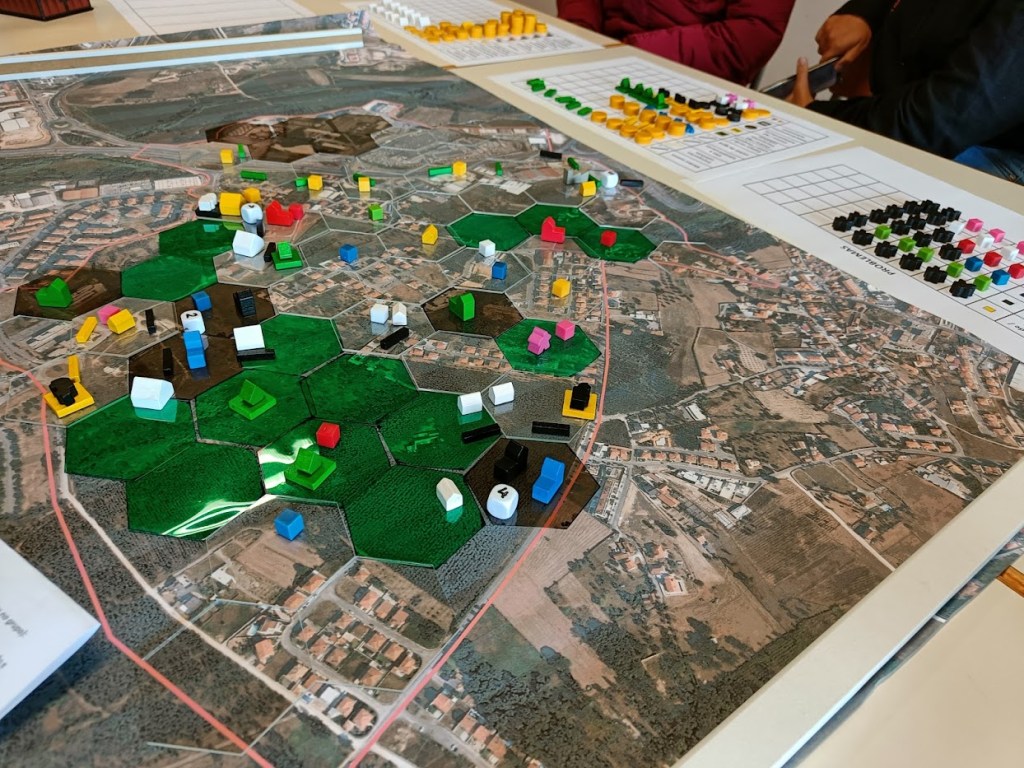
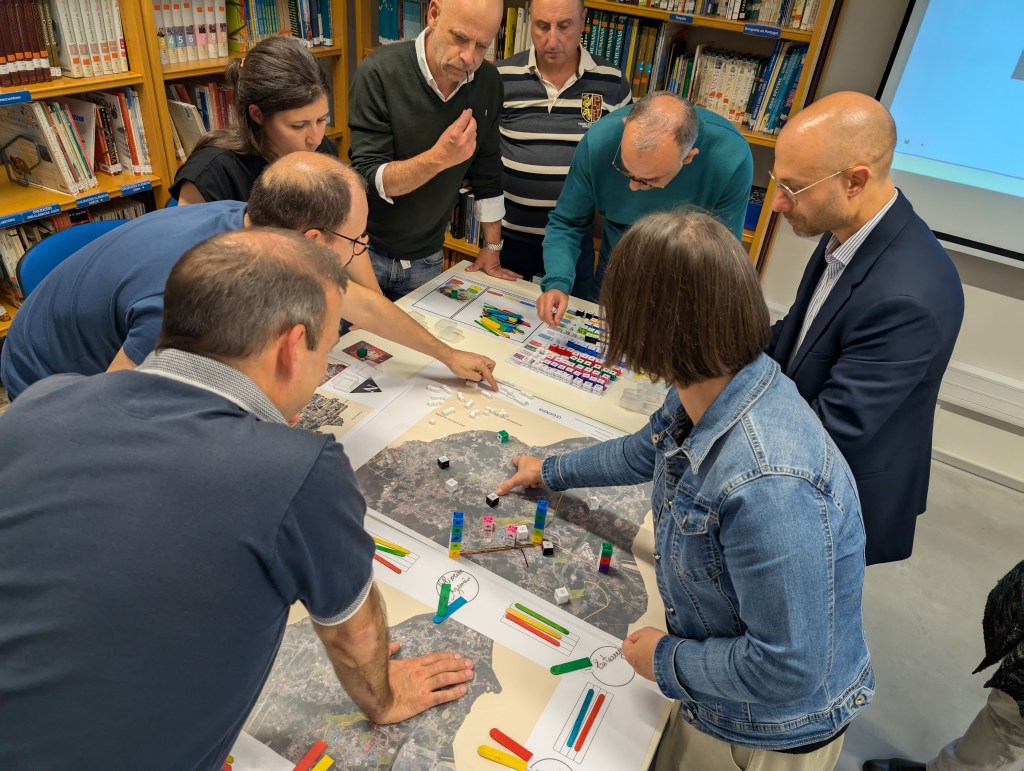
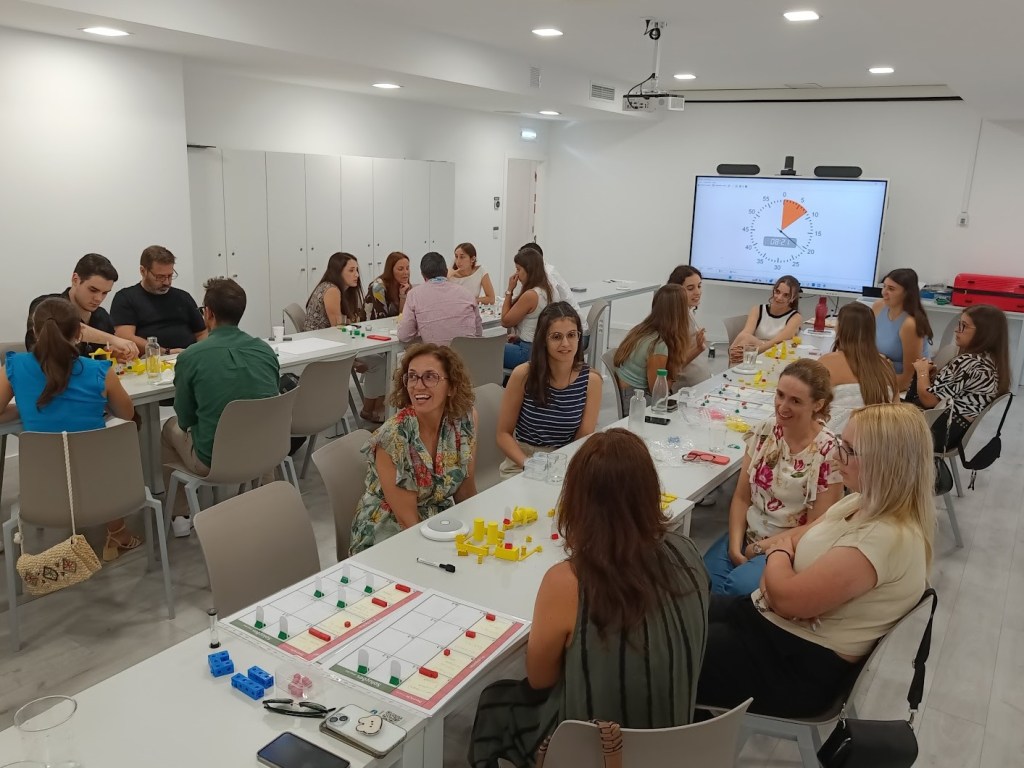
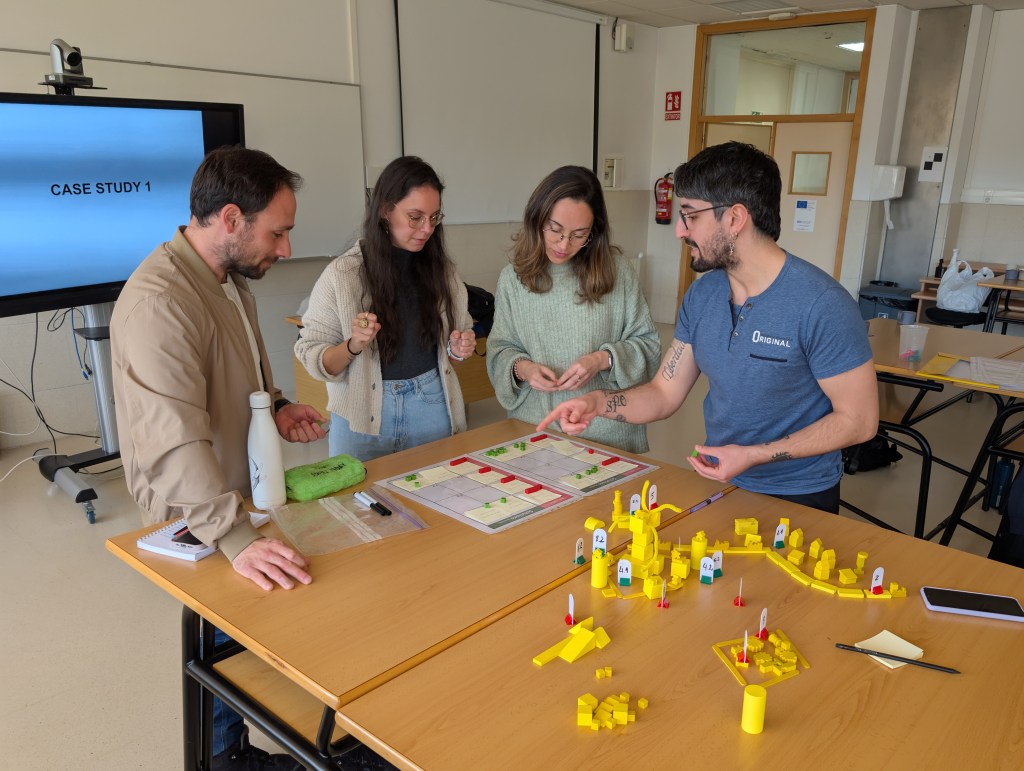
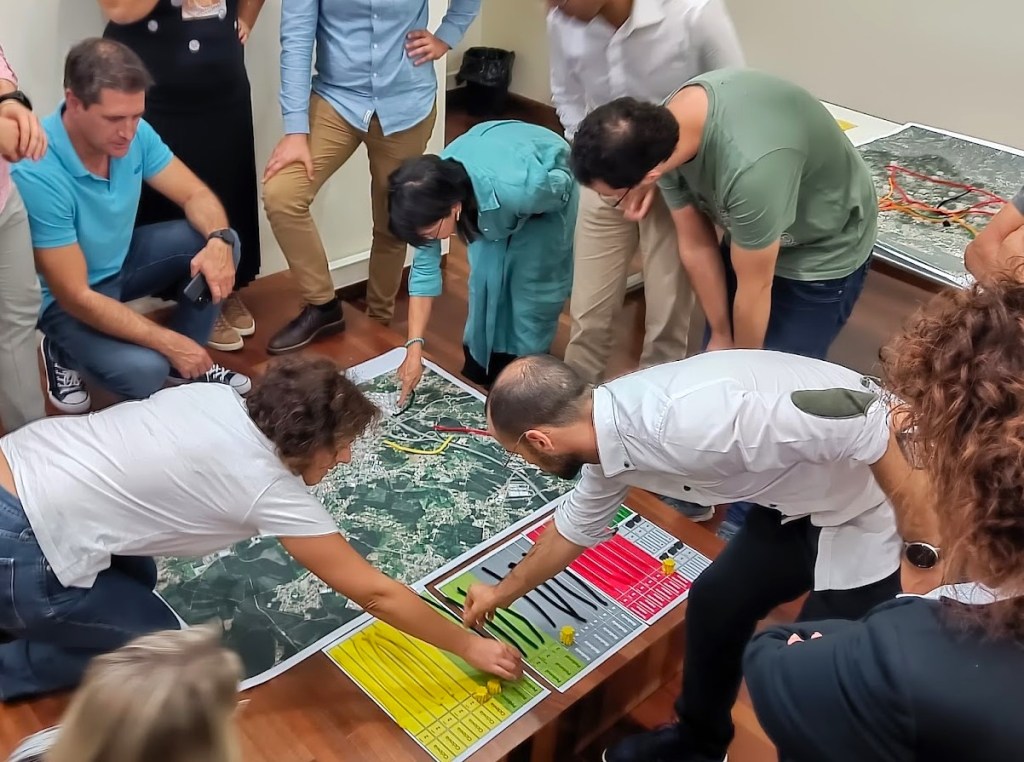
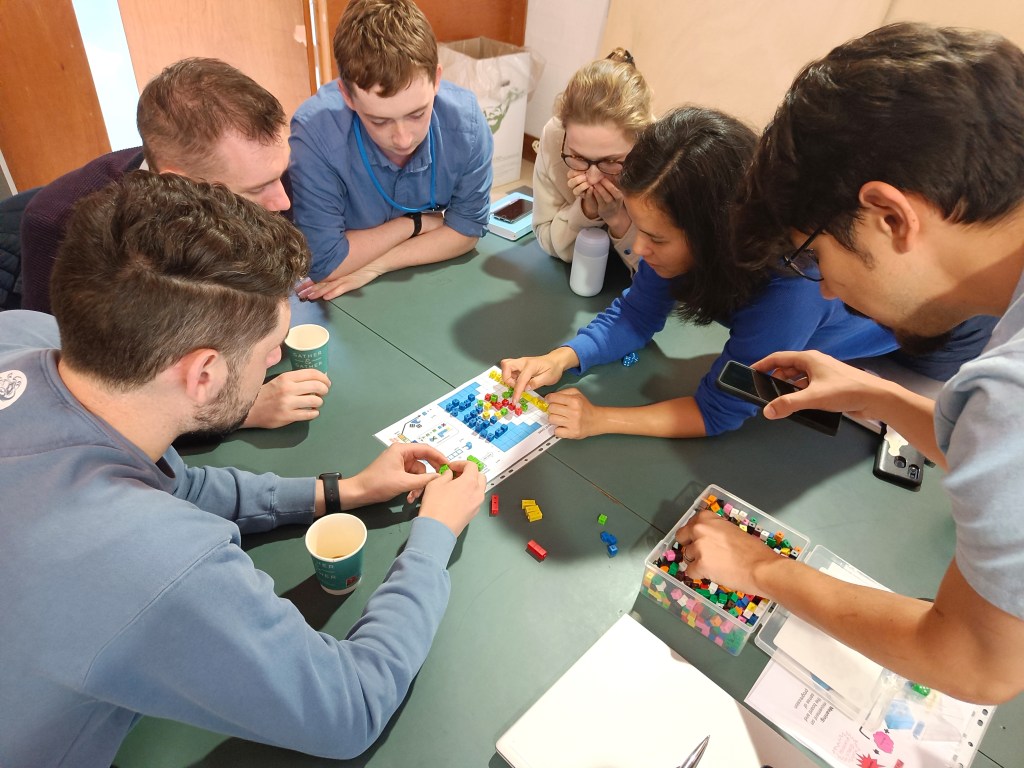
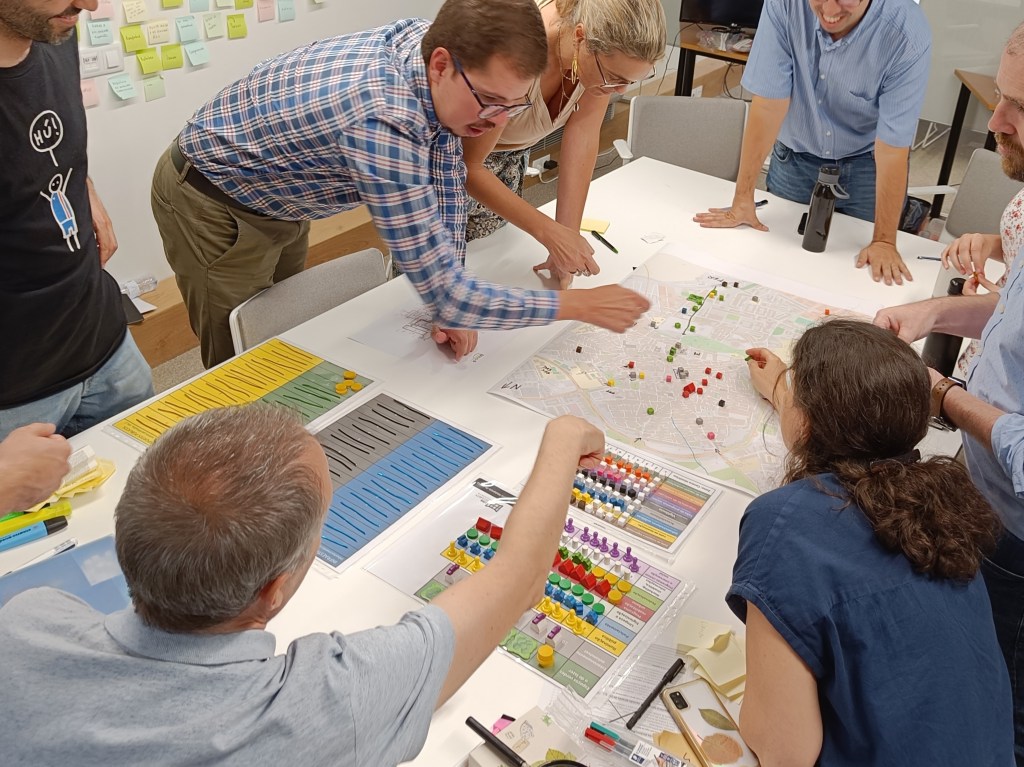
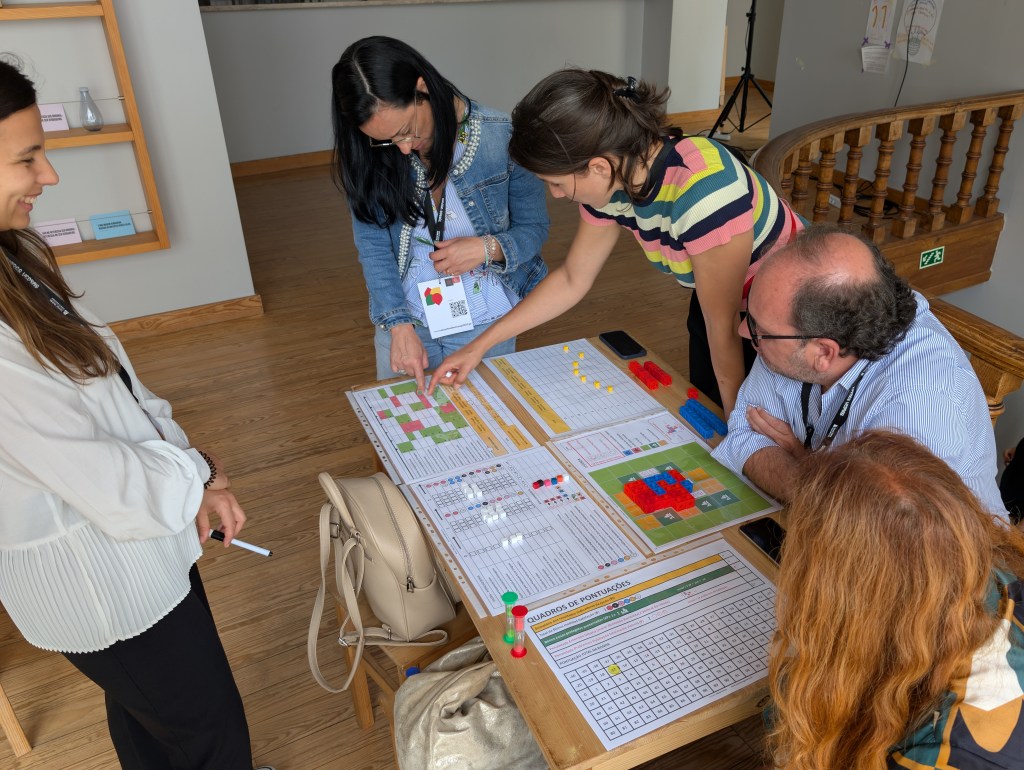
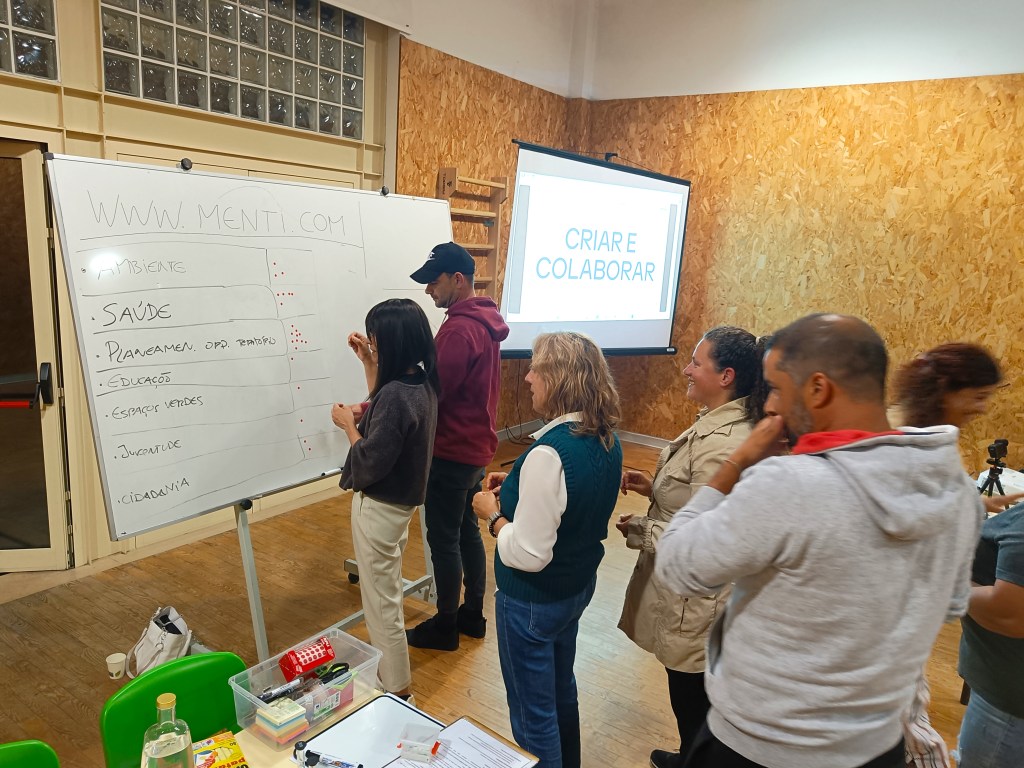
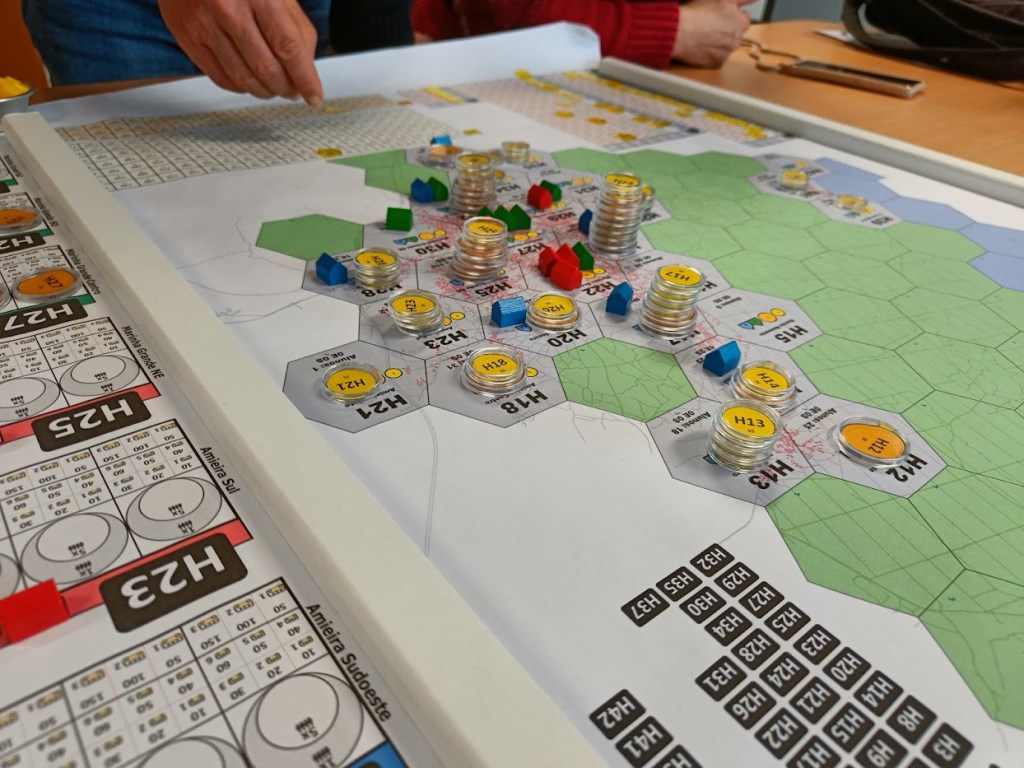

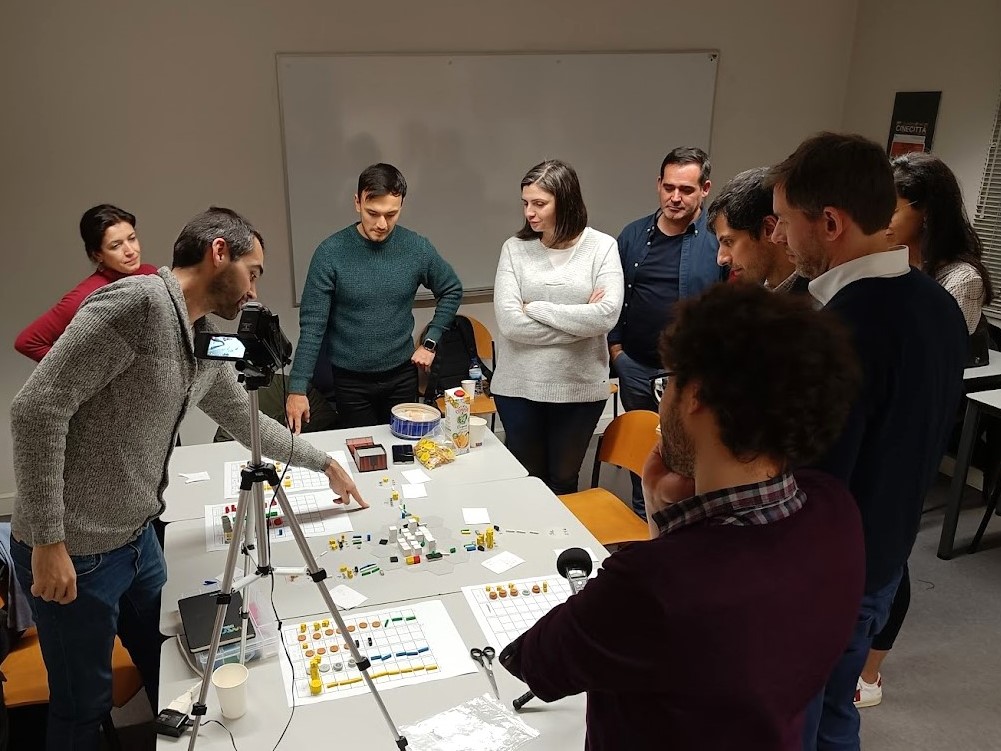
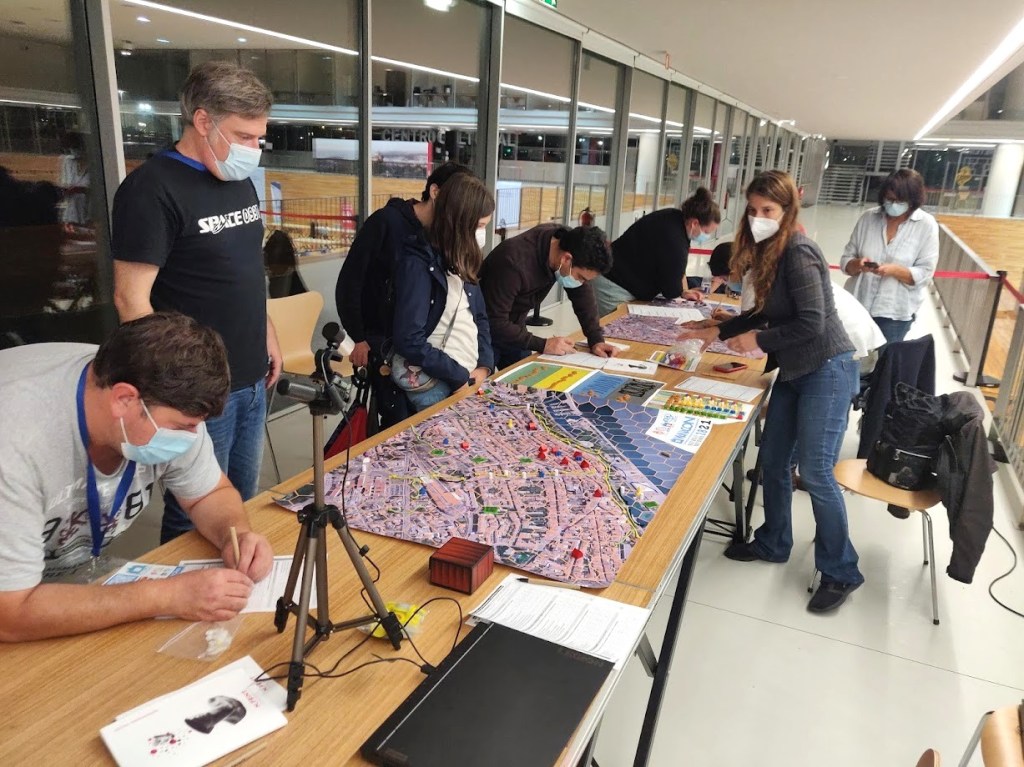
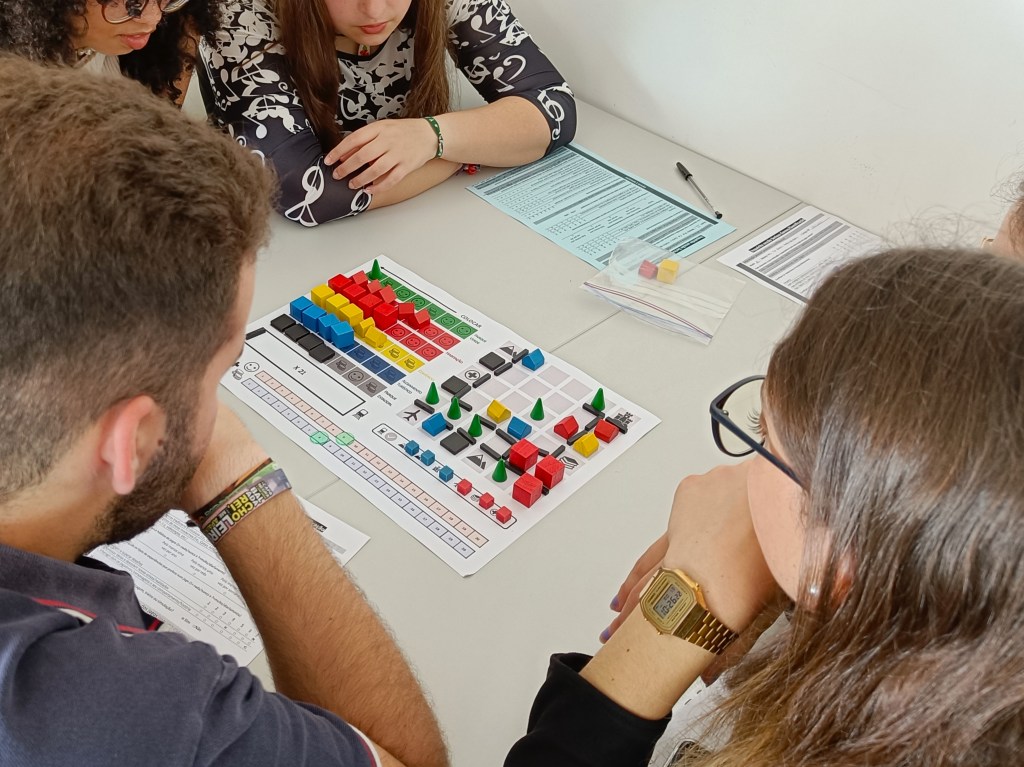
Besides achieving planning project goals, games can be used as tools to engage people of all ages, including youngsters and children, to address civic participation and sustainability.
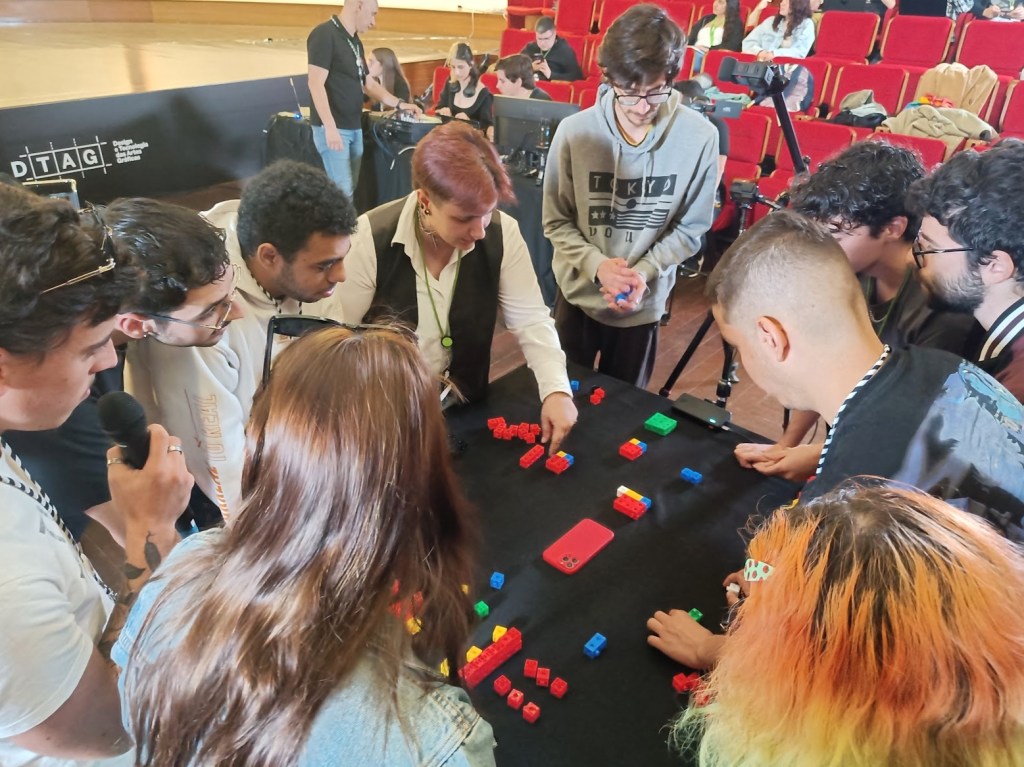
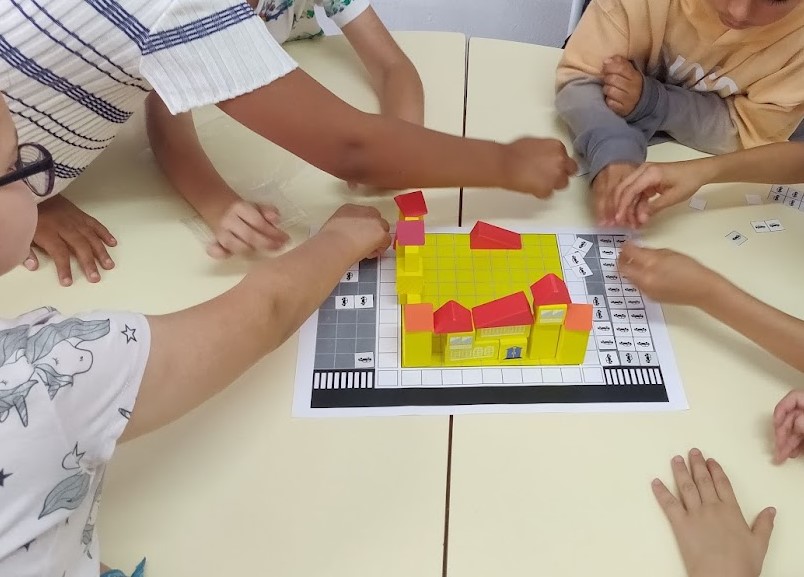

 MS Serious Games